SW1 rubbish clearance services explained for Belgravia homes
If you live in Belgravia, you already know that getting rid of rubbish is rarely as simple as dragging a few bags to the kerb. Between tight mews streets, basement access, shared entrances, residents-only parking, and the general need to keep a smart address looking smart, waste clearance needs a bit more care than a quick grab-and-go job. That is exactly why SW1 rubbish clearance services explained for Belgravia homes matters: it helps you understand what happens, what to expect, and how to choose a service that fits the way homes in this part of London actually work.
This guide walks through the process in plain English. You will see how rubbish clearance is usually arranged, what can be removed, what to watch out for, and where the real value lies for homeowners, landlords, and residents dealing with everything from old furniture to post-renovation debris. Truth be told, a well-run clearance can save you time, stress, and a few awkward conversations with neighbours.
It also helps to know the wider service landscape. If you are comparing options, a broader look at rubbish removal services can help you understand the difference between one-off clearance, regular collections, and more specialist jobs. And if you are dealing with a particularly full property, browsing the company's house clearance service may give you a clearer picture of what a fuller, room-by-room approach looks like.
Table of Contents
- Why SW1 rubbish clearance services explained for Belgravia homes matters
- How SW1 rubbish clearance services explained for Belgravia homes works
- Key benefits and practical advantages
- Who this is for and when it makes sense
- Step-by-step guidance
- Expert tips for better results
- Common mistakes to avoid
- Tools, resources and recommendations
- Law, compliance, standards, or best practice
- Options, methods, or comparison table
- Case study or real-world example
- Practical checklist
- Conclusion
- Frequently asked questions
Why SW1 rubbish clearance services explained for Belgravia homes Matters
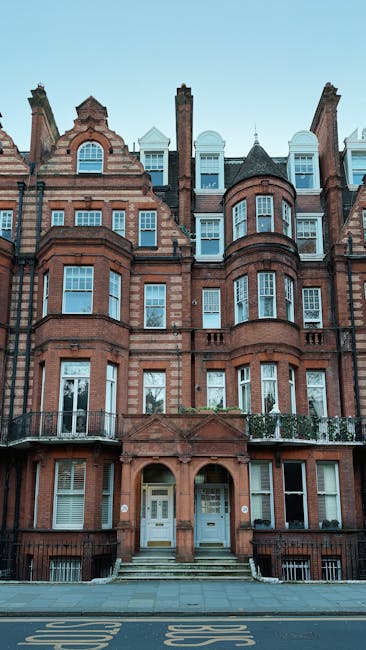
Belgravia is not a neighbourhood where waste clearance can be treated as an afterthought. Homes here often have their own quirks: long internal hallways, split-level access, basement rooms, delicate flooring, porters' schedules, and the kind of parking restrictions that can turn a simple collection into a logistical puzzle. That is why rubbish clearance in SW1 is less about brute force and more about planning.
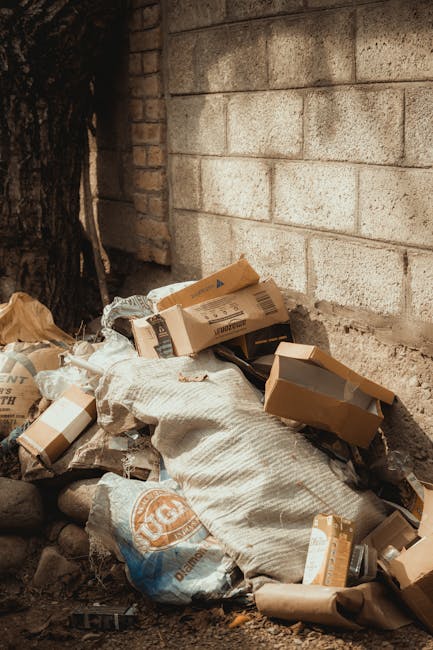
The phrase rubbish clearance can sound broad, but in practice it usually means the removal of non-hazardous household waste, unwanted furniture, old appliances, refurbishment debris, garden waste, and general clutter. For Belgravia homes, it often also includes careful handling. A narrow staircase or a high-spec marble entrance changes the job quite a bit. One careless trip with a heavy sofa and, well, nobody wants that story.
There is also a practical time factor. Many people in SW1 need clearance because they are preparing for a move, dealing with an inherited property, clearing out after tenants, or making room for work to start. In those moments, the value of a dependable service is not just that it takes stuff away. It is that it takes a problem off your plate.
If you are working through a larger property refresh, it can help to look at related services such as office clearance for mixed-use spaces or home offices, and garage clearance if your storage areas have become, let's say, a long-term holding zone for forgotten items.
How SW1 rubbish clearance services explained for Belgravia homes Works
Most rubbish clearance services follow a fairly simple process, but the details matter. A good provider will usually begin with an enquiry, ask what needs removing, and then give guidance on the likely vehicle size, access needs, and collection timing. For Belgravia homes, that first conversation is often where the real planning happens.
Here is the usual flow:
- Assessment - You describe the items, rooms, access points, and any restrictions such as basement access or shared entrances.
- Estimate - The provider gives a price guide based on volume, item type, labour, and any special handling required.
- Booking - A slot is arranged, often with a clear arrival window to avoid disrupting neighbours or building staff.
- Collection - The team removes items, loads them safely, and checks the area is left tidy.
- Sorting and disposal - Waste is separated where possible for reuse, recycling, or proper disposal.
That last part is often misunderstood. Good clearance is not just about "taking it all away". There is usually sorting involved, and different items may be handled differently depending on condition and material. For example, reusable furniture may be separated from broken items, and electricals are typically treated with more care than plain mixed waste.
In a Belgravia setting, the logistics can be as important as the removal itself. If the property has a concierge desk, a loading bay, or specific lift rules, a competent team will factor that in. If not, the day can get messy quite quickly. You know the type of mess too: a van waiting in the wrong place, a blocked doorway, someone else's car in the way. Classic London stuff.
For people who need a broader declutter or a full property reset, a related deep cleaning service can be useful after the clearance, especially if the home is being prepared for sale, letting, or renovation.
Key Benefits and Practical Advantages
The obvious benefit is convenience. But for Belgravia homeowners, the real advantage is more specific than that. A well-managed rubbish clearance service protects the property, respects the street, and reduces the chance of avoidable delays.
- Saves time - A team can remove in one visit what might take you several weekends.
- Reduces physical strain - Bulky items, awkward mirrors, and old wardrobes are not worth a strained back.
- Improves presentation - This matters if you are selling, letting, renovating, or simply restoring order.
- Supports smoother projects - Builders, decorators, and moving teams work better when clutter is gone.
- Helps maintain good neighbour relations - Efficient clearance reduces corridor blockages, noise, and repeated visits.
- Encourages responsible disposal - A reputable service should separate recyclable items where practical.
There is also a less obvious benefit: decision fatigue. People often underestimate how draining it is to sort through unwanted items, decide what stays, arrange transport, and then figure out disposal. After a while, every room starts to feel like a to-do list. A proper clearance service gives you one clear outcome instead of ten unfinished tasks.
For homes with garden areas, exterior storage, or renovation debris, the benefits become even clearer. A garden clearance service can help with soil bags, branches, and green waste, while a builders waste clearance option is often more suitable after decorating or remodelling work.
Who This Is For and When It Makes Sense
This kind of service is useful for a wide range of people, not just those facing a "full house clear-out" moment. In Belgravia, the most common situations tend to be surprisingly ordinary, which is probably why they catch people out.
- Homeowners clearing out bulky items, attic clutter, or rooms before refurbishment.
- Landlords dealing with leftover furniture, tenant waste, or a property that needs resetting.
- Estate executors managing a sensitive clearance with care and discretion.
- People moving home who realise the amount of "stuff we'll sort later" has become rather a lot.
- Interior project clients who need old items removed before new pieces arrive.
- Anyone short on access or time in a property where moving waste themselves would be awkward or disruptive.
It makes particular sense when the items are too heavy for standard household disposal, too numerous for a car boot, or too awkward for a normal resident to manage safely. If you have ever stood in a hallway staring at a dismantled wardrobe and thought, "Right, now what?", you already understand the use case.
Sometimes the trigger is a house move. Sometimes it is a dead practical one: a spare room needs to become a nursery, office, or guest room. And sometimes, honestly, it is just that clutter has quietly won. It happens.
Step-by-Step Guidance
If you want a smooth experience, a little preparation goes a long way. The best rubbish clearance jobs in SW1 are usually the ones where the homeowner and the clearance team understand the space before anyone starts lifting.
1. Walk through the property first
Take a slow look at every area that needs clearing. Check cupboards, loft spaces, under-stair storage, and the sort of forgotten corner where old boxes end up. Note anything fragile, heavy, or awkwardly shaped.
2. Separate what must stay
It sounds obvious, but important documents, keys, chargers, and sentimental items can get mixed in surprisingly easily. Put those somewhere clearly marked before the team arrives. A small box on the kitchen table is usually better than a vague "I left it somewhere safe".
3. Photograph bulky or unusual items
If you are requesting a quote remotely, a few simple photos can help the provider judge access and volume. A broken sofa in a tight basement is not the same as one sitting by the front door. Not even close.
4. Explain access constraints
Say whether the team will need to use a lift, navigate stairs, pass through shared spaces, or coordinate with building staff. In Belgravia, this is rarely a minor detail. It shapes the whole job.
5. Confirm what can and cannot be taken
Some items need special handling, especially if they fall into regulated or hazardous categories. If you are unsure, ask in advance rather than leaving it for the day of collection.
6. Make the route clear
Before collection begins, open doors where needed, move pets out of the way, and make the path to the exit as clear as possible. It helps speed, safety, and peace of mind.
7. Check the finish
Once the removal is done, take a final look around. A good team should leave the area swept and ready for the next step, whether that is cleaning, decorating, or simply breathing again.
If the clearance forms part of a larger property reset, pairing it with a loft clearance or a carefully planned bedroom clearance can make the whole process feel less fragmented.
Expert Tips for Better Results
After enough clearances, a few patterns become obvious. The jobs that go smoothly are rarely the ones that happen by accident. A bit of structure helps.
- Group items by room before the team arrives. That makes quoting easier and reduces confusion on the day.
- Flag anything delicate with a note or a visible marker. A "do not move" label can save a lot of hassle.
- Be honest about volume. Underestimating by a bit is common, but too much optimism can lead to delays.
- Plan around neighbours. Morning or mid-day slots can be less disruptive than busy evenings, depending on the building.
- Keep key surfaces protected. In homes with polished floors or tight staircases, moving blankets and careful handling matter.
- Ask about sorting. If you care about reuse and recycling, it is worth checking how items are separated after collection.
A practical tip many people forget: if you are clearing a room that has been used for storage for years, keep a small "decision pile" aside. There is always something you are not quite ready to part with, and that is fine. Better to deal with it calmly than to make rushed choices because a van is waiting outside.
Another one: if the property is in a quieter street or private mews, timing matters. Noise carries. So does confusion. A clear plan protects relationships as much as it protects floors and door frames.
Common Mistakes to Avoid
Most problems with rubbish clearance are preventable. They usually come down to planning, assumptions, or not asking enough questions up front.
- Leaving sorting until the last minute - mixed piles create delays and can change the scope of the job.
- Forgetting access details - basement stairs, narrow halls, permit-controlled areas, and lift restrictions all matter.
- Assuming everything can go together - some items need separate handling, so don't treat all waste as one category.
- Not protecting the property - walls, flooring, and banisters can suffer if movement is rushed.
- Picking purely on price - the cheapest quote is not always the best value if service quality suffers.
- Leaving sentimental items mixed in - it happens more than people admit, and it is usually when panic sets in halfway through the job.
One of the most common mistakes in SW1 is underestimating the time needed to move items through a building politely and safely. A quick domestic clearance can turn into a longer operation when lifts are busy or access is shared. Nothing dramatic, just the way it is.
To avoid headaches, it can also help to read the provider's broader frequently asked questions page before booking, especially if you are unsure about timing, access, or item types.
Tools, Resources and Recommendations
You do not need specialist equipment to prepare for a rubbish clearance, but a few simple tools make the process much easier. Think of this as the practical kit that keeps things calm.
| Tool or resource | Why it helps | Best use case |
|---|---|---|
| Marker labels or sticky notes | Helps identify what stays and what goes | Rooms with mixed items or sentimental belongings |
| Strong bin bags or boxes | Keeps small items grouped and easier to move | Lofts, cupboards, and wardrobe clearances |
| Phone camera | Useful for quoting and planning access | Bulky furniture or awkward spaces |
| Protective coverings | Reduces the risk of scuffs on floors and edges | Homes with hardwood floors, stone, or painted finishes |
| Simple room-by-room list | Makes the task less overwhelming | Any home with multiple areas to clear |
For larger or more involved clearances, it can also be useful to combine services thoughtfully. A furniture disposal service is often the most sensible route when the main issue is old sofas, tables, wardrobes, or chairs. For heavier or more awkward waste, the right specialist page saves you guesswork.
My honest recommendation? Start with a room list and a few photos. It is simple, but it works. The clearer the brief, the smoother the clearance. No drama, no crossed wires.
Law, Compliance, Standards, or Best Practice
Any rubbish clearance service should be handled responsibly. While the exact legal duties can vary depending on the waste type and who is producing it, there are some common UK best-practice principles worth keeping in mind.
First, waste should only be transferred to a service that can deal with it properly. In plain English, you want a provider that understands how to handle, transport, and dispose of household waste responsibly. That matters even more if any items could be classed as bulky, electrical, or otherwise non-standard.
Second, it is sensible to separate out anything that may need special attention. Paints, chemicals, batteries, and similar materials should not be quietly tossed into a normal pile. If you are unsure whether something is suitable for standard collection, ask before booking. Better a quick question than an expensive mistake.
Third, if the clearance is part of a rented property, or a property being prepared for sale, it is worth thinking about documentation. Keeping a record of what was removed can be helpful for landlords, executors, and homeowners alike. Not fancy paperwork, just a sensible note of what happened.
Fourth, best practice in Belgravia means respecting the property and the street. That includes careful loading, polite timing, and avoiding obstruction. Some jobs are more about good manners than muscle.
If you are comparing broader property services, the company's services overview can help you understand how clearance, disposal, and related property work fit together.
Options, Methods, or Comparison Table
Not every clearance needs the same approach. Here is a straightforward comparison of common methods people consider for Belgravia homes.
| Method | Best for | Pros | Limitations |
|---|---|---|---|
| DIY disposal | Very small amounts of waste | Can be cheap if you already have transport | Time-consuming, physically demanding, awkward for bulky items |
| Skip hire | Longer projects with consistent waste volume | Useful for ongoing renovation work | Needs space, permits may be needed, and loading can be messy |
| Man and van clearance | Mixed household waste and furniture | Flexible, often faster, less stress on the homeowner | Requires clear access and accurate item description |
| Full house clearance | Large properties, probate, moves, or major downsizing | Most comprehensive and convenient | Can take longer and needs more planning |
For most Belgravia households, a man-and-van style clearance or a fuller house clearance tends to be the best balance of convenience and control. Skip hire can work well for renovation jobs, but in a dense central London setting it is not always the neatest solution. And there is the old truth: if you are juggling access, neighbours, and limited kerb space, the easiest-looking option on paper may not be the easiest in real life.
Case Study or Real-World Example
Consider a typical Belgravia scenario. A homeowner is preparing a three-bedroom property for decorating and staging. The loft has old suitcases and boxes. One spare room has a broken armchair, a table, and several bags of mixed household clutter. In the basement, there are some storage items that have not been touched for years. Nothing unusual, just life piling up quietly.
The homeowner sends photos and explains that access is via a narrow internal staircase, with street parking restricted during the morning. The provider plans the collection for a mid-day window and brings enough crew to handle the heavier pieces safely. Before arrival, the homeowner removes a few valuables and labels the items that must stay.
The result is simple but valuable: the rooms are cleared in one visit, the path is left tidy, and the decorating work can start without delay. More importantly, the homeowner did not spend two weekends wrestling with furniture or trying to borrow a van. That is often where the real savings come from.
This kind of job is not glamorous. But it is exactly the sort of practical support that makes a property project feel manageable instead of endless.
Practical Checklist
Use this checklist before booking your clearance. It keeps things simple and avoids last-minute stress.
- List every room or area that needs clearing.
- Separate items that must stay, especially documents and valuables.
- Take a few photos of bulky or unusual items.
- Note stairs, lifts, narrow corridors, or parking limits.
- Ask which items can be taken and whether any need special handling.
- Decide whether you need a partial clearance or a full property service.
- Protect floors and any fragile corners if access is tight.
- Choose a collection time that suits neighbours and building rules.
- Confirm how the area will be left after the removal.
- Keep a quick record of what was cleared if you may need it later.
It is a small thing, but a checklist changes the mood of the job. Suddenly it feels organised rather than chaotic. And that alone can make the whole process easier to live with.
Conclusion
SW1 rubbish clearance for Belgravia homes is really about combining practical removal with thoughtful handling. In a neighbourhood where access, presentation, and timing all matter, the right service does more than empty a room. It helps protect your property, keeps the process efficient, and removes a burden that can otherwise hang around far too long.
If you are weighing up your next step, start with the scope of the job, the access details, and the type of items involved. From there, it becomes much easier to choose the right approach, whether that is a room clearance, a full house job, or a more targeted removal of furniture or building waste. A little planning now usually saves a great deal of hassle later.
Get a free quote today and see how much you can save.
And if you are still deciding, that is fine too. Take your time, sort the details, and move at the pace that feels right for your home. A calm clearance is usually the best kind.
Frequently Asked Questions
What does rubbish clearance usually include in a Belgravia home?
It usually includes the removal of unwanted household items such as furniture, general clutter, old appliances, and non-hazardous waste. Depending on the service, it may also cover lofts, basements, garages, and garden areas.
Is rubbish clearance different from house clearance?
Yes. Rubbish clearance often refers to the removal of specific unwanted items or mixed waste, while house clearance usually means a fuller, more complete emptying of a property or several rooms.
How should I prepare before a clearance team arrives?
Sort out what must stay, take photos of bulky items, and make sure access routes are clear. If the property has stairs, a lift, or parking restrictions, tell the provider in advance.
Can rubbish clearance be done in a flat or mansion block?
Yes, absolutely. It just needs more planning. Shared entrances, lifts, concierge rules, and loading access can all affect the job, so these details should be discussed before booking.
What happens to the rubbish after it is collected?
It is usually sorted so items can be reused, recycled, or disposed of properly. The exact process depends on the waste type and the provider's procedures.
Are there any items that need special handling?
Yes. Some items may require separate handling, especially anything unusual, bulky, electrical, or potentially hazardous. If you are unsure, ask before collection rather than assuming it is fine.
How long does a typical clearance take?
That depends on the amount of waste, access conditions, and how easy the items are to move. A small clearance might be quick, while a full property job can take considerably longer.
Do I need to be at home during the clearance?
Usually yes, especially if the team needs access to different rooms or if there are items that must not be removed. Some arrangements can be made in advance, but it is best to confirm this early.
What should I compare when choosing a service?
Look at experience, clarity of pricing, how they handle access and disposal, and whether they explain what is included. Good communication is often a sign that the job will run smoothly.
Is rubbish clearance useful before decorating or selling a property?
Very much so. Clearing unwanted items makes rooms look larger, helps decorators work faster, and creates a much better impression for viewings or staging.
Can garden or outdoor waste be included too?
Often yes, depending on the service. Green waste, broken outdoor furniture, and similar items may be handled separately, so it is worth asking whether a garden-specific service is more suitable.
What is the biggest mistake people make with clearance in SW1?
Probably underestimating access and overestimating how simple the job will be. In Belgravia, logistics matter more than many people expect, and a small planning mistake can create unnecessary stress.