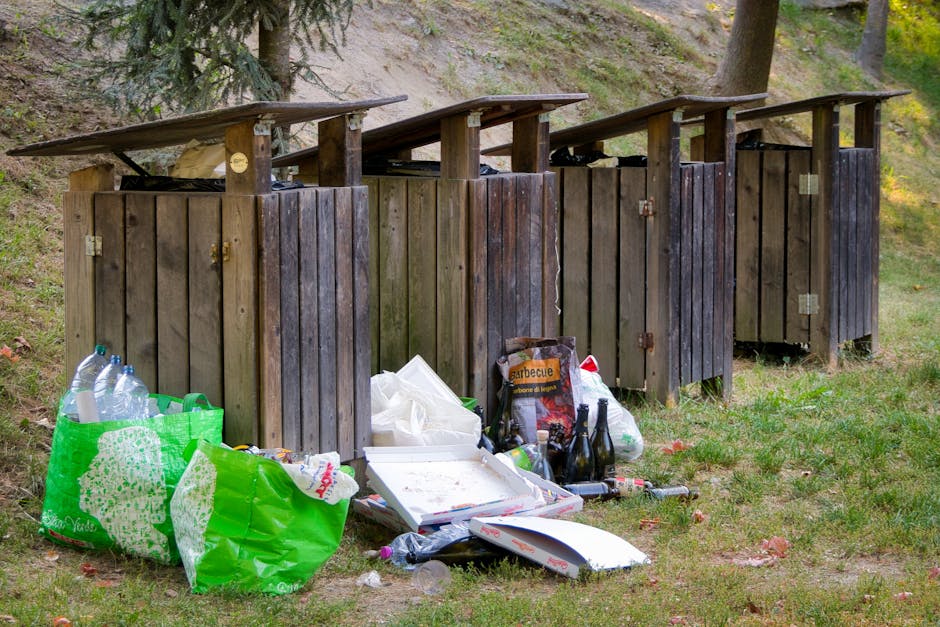
Common problems with bulky rubbish collection Victoria homes face
Bulky rubbish sounds straightforward until it is sitting in your hallway, garage, loft, or front garden and you realise it is too heavy, too awkward, or too much for a normal bin day. That is usually when the real common problems with bulky rubbish collection Victoria homes face begin. Broken wardrobes, old mattresses, worn-out sofas, garden cuttings, renovation debris, and random odds and ends all seem harmless at first. Then they pile up. Quietly. And suddenly the place feels cramped, stressful, and a bit embarrassing, to be fair.
This guide walks through the practical issues Victoria homeowners run into with bulky waste collection: why it matters, how it works, where it goes wrong, and how to deal with it without making life harder than it needs to be. You will also find a clear checklist, a comparison table, and a realistic example so you can make a sensible decision rather than a rushed one.
Table of Contents
- Why it matters
- How bulky rubbish collection works
- Key benefits and practical advantages
- Who this is for and when it makes sense
- Step-by-step guidance
- Expert tips for better results
- Common mistakes to avoid
- Tools, resources and recommendations
- Law, compliance, standards and best practice
- Options, methods and comparison table
- Case study or real-world example
- Practical checklist
- Conclusion
- Frequently asked questions
Why Common problems with bulky rubbish collection Victoria homes face Matters
Bulky rubbish is more than just clutter. In a Victoria home, it can block access, create trip hazards, attract damp or pests, and turn simple jobs into awkward ones. A single mattress leaning in a narrow passage might not look like much, but after a few days it becomes the thing you keep stepping around. And once that happens, you start noticing every other item that needs shifting too.
The issue matters because bulky items are often the hardest household waste to move responsibly. They are too large for standard bins, too heavy for casual lifting, and sometimes too awkward to break down safely. That means homeowners face decisions about storage, transport, loading, disposal route, and timing, all at once. It is no wonder people delay it.
There is also a trust element here. Many homeowners want to know that items will be handled safely, reused where possible, and disposed of in a lawful, sensible way. That becomes especially relevant if the clearance includes a mix of furniture, old appliances, or general household waste. A planned clearance is usually calmer, cleaner, and less disruptive than trying to improvise on the day.
Expert summary: Most bulky rubbish problems are not caused by the items themselves, but by the friction around them: access, lifting, sorting, disposal, and not knowing where to start. Solve those five things and the whole job becomes much easier.
How Common problems with bulky rubbish collection Victoria homes face Works
At a practical level, bulky rubbish collection usually follows a simple pattern: you identify the items, decide what stays and what goes, choose a collection method, and arrange removal. That sounds neat on paper. Real homes are rarely neat on paper.
Most collections start with an assessment of what needs removing. This might include old furniture, broken beds, white goods, garden waste, carpet offcuts, or items from a garage, loft, or spare room. If you already know what is leaving the property, the process is smoother. If not, the first challenge is simply sorting it all out.
After that comes access. Can items be carried through the front door without damage? Will they fit down stairs? Is there parking nearby? Do they need two people to lift them? These details matter more than people expect. A sofa that looks manageable in a lounge can feel twice as big once you try to turn it through a narrow landing.
Then there is the disposal side. Some items can be reused, some may be recycled, and some will need responsible waste handling. If the job includes mixed materials, the sorting becomes more important. For homes that have ongoing clutter, renovation leftovers, or mixed household waste, a broader waste removal approach may be more suitable than a one-off lift-and-go job.
For larger domestic clearances, homeowners often also consider related services such as home clearance, house clearance, or even targeted services like garage clearance when the problem is concentrated in one part of the property.
Key Benefits and Practical Advantages
When bulky rubbish is handled well, the benefits are immediate. The home feels less crowded, movement becomes easier, and the mental noise of "I still need to deal with that" starts to quiet down. There is a real difference between a room that is full and a room that feels usable again.
- Clearer living space: Removing large items creates space you can actually use, not just walk past.
- Safer access: Fewer obstructions mean fewer trips, bumps, and strained lifts.
- Less stress: A visible pile of unwanted items can weigh on you more than you realise.
- Better sorting: A planned collection makes it easier to separate reusable items, recyclables, and waste.
- Faster project progress: Renovations, decorating, and moving house all run more smoothly when the bulky stuff is gone.
There is also a practical financial angle. While nobody likes paying for removals, a well-organised job can save money by avoiding repeat trips, damage, or emergency last-minute solutions. It can also reduce the risk of having to store items somewhere awkward for weeks on end, which is an expense of a different kind. Not a line item, but you feel it.
For homeowners comparing service levels, it helps to review pricing and quotes early, especially if the property has mixed loads or difficult access. Transparent expectations beat surprise add-ons every time.
Who This Is For and When It Makes Sense
Bulky rubbish collection is useful for a lot more people than first-time buyers or people in a full declutter mode. In Victoria homes, it often makes sense for:
- families replacing worn furniture or clearing a spare room
- older homeowners who want a safer, simpler home layout
- landlords preparing a property between tenancies
- homeowners dealing with loft, garage, or shed overflow
- people moving house and trying to avoid paying to shift unwanted items twice
- anyone dealing with post-renovation clutter or leftover materials
It also makes sense when the items are awkward enough that DIY removal would become a chore in itself. A coffee table and an old chair might be manageable. A broken wardrobe, a mattress, a washing machine, and a bag of loose debris? That is a different story altogether.
If the issue is mainly furniture, a service like furniture clearance or furniture disposal may be more appropriate than a broader clearance. And if the pile is mainly in a loft, then loft clearance is often the more efficient route. Simple idea, but it saves people a lot of muddle.
Step-by-Step Guidance
If you want to avoid the usual headaches, the safest approach is to plan in stages. It does not have to be complicated.
- Walk through the property. Make a note of every bulky item that needs to go. Include anything in the attic, garage, shed, garden, or hallway.
- Separate keep, donate, recycle, and dispose. Do this before collection day if possible. The less guessing on the day, the better.
- Check access routes. Look for narrow doors, tight corners, stairs, parked cars, low ceilings, or fragile surfaces that need protection.
- Identify hazardous or awkward materials. Some items need extra care, such as sharp metal, broken glass, paint tins, or heavy appliances.
- Decide whether a specialist service is needed. For example, garden waste, builder's debris, or business waste should be handled as the right type of load, not all thrown together.
- Request a clear quote. Be honest about volume, access, and item type. That is the quickest way to get a realistic price and timing.
- Prepare the space. Clear a path, protect flooring if needed, and keep children or pets away from the lift route.
One small but useful habit: take a few photos before the job. Nothing fancy, just enough to show the quantity and condition of the items. It helps reduce misunderstandings and gives you a useful record if plans change. A tiny thing, but it can save a lot of back-and-forth.
Expert Tips for Better Results
Here is where a bit of real-world experience helps. The jobs that go smoothly are usually the ones that were thought through before anyone arrived at the door.
- Measure awkward items before collection day. Doors, stair turns, and tight landings are the usual trouble spots.
- Put items in one place where possible. If the clearance is spread across the house, it takes longer and creates more risk of damage.
- Keep reusable items separate. If something still has life in it, say so early. It can change how the load is handled.
- Be careful with hidden weight. A wardrobe with drawers, a damp mattress, or a packed shed shelf can weigh far more than expected.
- Do not assume "bulky" means "one-size-fits-all". Garden debris, household furniture, builders' rubble, and office items all behave differently in practice.
Another useful tip: if the problem is mainly in a single outside area, think in terms of the space itself rather than the item type. A cluttered shed or overgrown garden can sometimes be solved more cleanly with garden clearance, while a driveway full of leftover rubble from a project may call for builders waste clearance.
And if you are dealing with a property that has had a lot of use over time, a broader house clearance may simply be the more efficient option. No drama. Just the right tool for the job.
Common Mistakes to Avoid
Most bulky rubbish issues become more annoying because of a few predictable mistakes. You can avoid most of them with a little honest planning.
- Leaving sorting until collection day. That usually slows everything down and makes decisions harder.
- Underestimating volume. A few large items can fill a vehicle faster than people expect.
- Forgetting access problems. Stairs, tight corners, and parking restrictions can turn a simple lift into a wrestling match.
- Mixing the wrong materials. Heavy debris, furniture, and general waste should not be treated as identical loads.
- Assuming everything can be carried safely by one person. That is where property damage and injury risk creep in.
- Not asking how items will be handled after removal. Reuse, recycling, and lawful disposal all matter.
One of the biggest mistakes is emotional, actually. People tell themselves they will "sort it next weekend" and then next weekend becomes next month. The pile does not judge you, but it does stay there. So, yes, a bit of realism helps.
Tools, Resources and Recommendations
You do not need a toolkit the size of a small van, but a few simple tools make the process safer and less messy.
- Gloves: useful for grip, splinters, sharp edges, and dusty items.
- Measuring tape: helps you check whether large items will fit through doorways or stairwells.
- Strong sacks or boxes: good for smaller loose items that otherwise multiply across the floor.
- Blankets or corner protection: handy when bulky furniture has to pass close to walls or banisters.
- Basic notepad or phone checklist: keeps the job organised when several rooms are involved.
For homeowners wanting a cleaner, more sustainable result, it is worth asking how reuse and recycling are built into the process. The page on recycling and sustainability is a good reminder that bulky waste does not have to be treated as one anonymous pile. Some items can be separated, recovered, or handled in a better way.
If security, service standards, or service terms matter to you, it is sensible to review the company's insurance and safety information, along with health and safety policy details. A well-run removal should feel organised, not improvised.
Law, Compliance, Standards, or Best Practice
Without getting too legal about it, bulky rubbish should be handled in a way that protects people, property, and the environment. In the UK, homeowners and waste carriers are expected to act responsibly, especially where waste is being removed from a domestic property and passed to a third party. The exact obligations can vary, so it is wise to keep things simple and cautious rather than guessing.
Good practice usually means:
- using a service that handles waste responsibly
- keeping clear records of what was removed, if needed
- separating reusable items from general waste where practical
- avoiding fly-tipping or informal disposal arrangements
- taking extra care with sharp, heavy, or contaminated items
For homeowners, the main thing is this: do not leave bulky waste in a grey area. If a sofa, mattress, or bagged load is being moved on your behalf, make sure the process is clear and lawful. That is better for you, better for the neighbourhood, and frankly, less hassle later on.
When in doubt, choose the straightforward route. Responsible disposal, transparent pricing, and proper handling are not fancy extras. They are the baseline.
Options, Methods, or Comparison Table
There is no single right way to deal with bulky rubbish. The right option depends on how much there is, how awkward it is, and how quickly you need it gone.
| Option | Best for | Pros | Watch-outs |
|---|---|---|---|
| Self-clearing in stages | Small amounts and easy access | Flexible, can be low-cost | Time-consuming, heavy lifting, multiple trips |
| Targeted item removal | Furniture, appliances, or a single room | Focused, efficient, simple to plan | May not suit mixed loads or bigger clearances |
| Full property clearance | Whole-home declutters, moves, or inherited homes | Covers everything in one go | Needs careful planning and item sorting |
| Specialist waste removal | Mixed waste, odd items, or bulky debris | Adaptable and practical | Must match the service to the actual waste type |
For a smaller domestic job, targeted furniture or garage removal may be enough. For a property that is being refreshed from top to bottom, a combined service is often cleaner and less stressful. The trick is not to overcomplicate it. Pick the method that matches the mess, not the one that sounds most convenient in the moment.
Case Study or Real-World Example
Imagine a Victoria homeowner who has just finished a long-overdue room refresh. The spare room has an old bed frame, a tired wardrobe, two broken office chairs, a stack of cardboard, and a box of random household bits that migrated there over the years. The garage is worse, naturally. Half tools, half forgotten furniture, all inconvenience.
At first glance, the owner thinks it is a "one-hour sort-out". That is the classic mistake. Once they check the stairs, they realise the wardrobe will not turn neatly on the landing, and the bed base is too awkward to carry alone. The cardboard is easy, but it is the large items that set the pace. A quick plan is made: separate reusable bits, clear the access route, remove the loose rubbish first, and deal with the furniture in one organised visit.
The key lesson is simple. Most bulky rubbish problems shrink once the load is broken into categories. Not everything needs the same treatment. The room stops feeling like a problem and starts feeling like a space again. Funny how that works.
Practical Checklist
Use this before collection day so you are not scrambling at the last minute.
- Have you listed every bulky item that needs removing?
- Have you decided what will stay, be donated, or be recycled?
- Are the items grouped together where possible?
- Have you checked narrow doors, stairs, and turning points?
- Are there any fragile walls, floors, or fixtures to protect?
- Have you identified items that need extra care or special handling?
- Do you know whether this is a furniture, garage, loft, garden, or full-home job?
- Have you confirmed the quote reflects the actual amount and access conditions?
- Is the path to the items clear for safe lifting?
- Are children and pets kept away during removal?
Keep this list handy. It is boring in the best possible way, which is exactly what you want from a clearance prep checklist.
Get a free quote today and see how much you can save.
Conclusion
The common problems with bulky rubbish collection Victoria homes face are rarely about rubbish alone. They are about access, timing, sorting, lifting, and knowing which service fits the job. Once those pieces are handled properly, the whole process becomes much more manageable. The home feels clearer. The job feels lighter. And the stress usually drops faster than people expect.
If you are sitting on a pile of unwanted furniture, mixed household waste, or awkward items that have been bothering you for too long, the sensible next step is to plan the removal properly rather than let it drag on. A little structure now can save a lot of effort later. And honestly, there is a nice feeling when the last bulky item is gone and the room finally breathes again.
That reset feeling is hard to beat.
Frequently Asked Questions
What counts as bulky rubbish in a Victoria home?
Bulky rubbish usually means large household items that are too awkward, heavy, or oversized for normal bin collection. That often includes furniture, mattresses, appliances, garden items, and renovation leftovers.
Why is bulky rubbish so difficult to remove?
Because the challenge is not just disposal. You also have to think about lifting, access, weight, damage risk, storage, and whether the item can be reused or recycled. It all stacks up quickly.
Is bulky rubbish collection the same as general waste removal?
Not always. General waste removal can cover a wider mix of household waste, while bulky rubbish collection focuses on large or awkward items. If the load is mixed, a broader waste service may be more suitable.
Can one service remove furniture, loft clutter, and garage waste together?
Often, yes, if the items are suitable for the same type of collection. But it helps to describe everything accurately at the quoting stage so the provider can plan the right vehicle, time, and crew.
What is the biggest mistake homeowners make with bulky rubbish?
The biggest mistake is underestimating the job. People often think the items will be easy to move until they hit the hallway, stairs, or front door and realise the practical challenge is bigger than expected.
How do I know whether I need furniture clearance or a full house clearance?
If the issue is mainly sofas, wardrobes, beds, or tables, furniture clearance may be enough. If items are spread across multiple rooms or the property needs a broader tidy-out, house clearance or home clearance is usually more suitable.
What should I do before a bulky rubbish collection arrives?
Sort items into keep and remove piles, check access routes, clear walkways, and make sure fragile surfaces are protected. A few minutes of preparation can make the whole job smoother.
Are garden waste and builders waste treated differently from household furniture?
Yes, usually. Garden waste, builders' debris, and household furniture are different waste streams and should be handled accordingly. That is why matching the service to the waste type matters.
Can bulky rubbish collection help with moving house?
Absolutely. In fact, it often makes moving easier because you are not paying to move items you no longer want. It is one of those practical steps people wish they had done sooner.
What if I only have one or two large items?
That still may be worth arranging, especially if the items are heavy or awkward. A single mattress or wardrobe can be harder to shift than a box full of smaller things. Weird, but true.
How do I make sure unwanted items are handled responsibly?
Ask how the items will be sorted, reused, recycled, or disposed of. It is fair to expect a clear and sensible approach. Responsible handling should be part of the service, not an afterthought.
When should I book bulky rubbish collection?
Book as soon as the problem starts affecting access, safety, or daily use of the home. If you wait until the pile becomes unmanageable, it usually takes more time and effort to fix.
What is the simplest way to avoid stress with bulky rubbish?
Keep the job small in your head: list the items, sort them, check access, and choose the right service. Once the first few decisions are made, the rest tends to fall into place more easily.